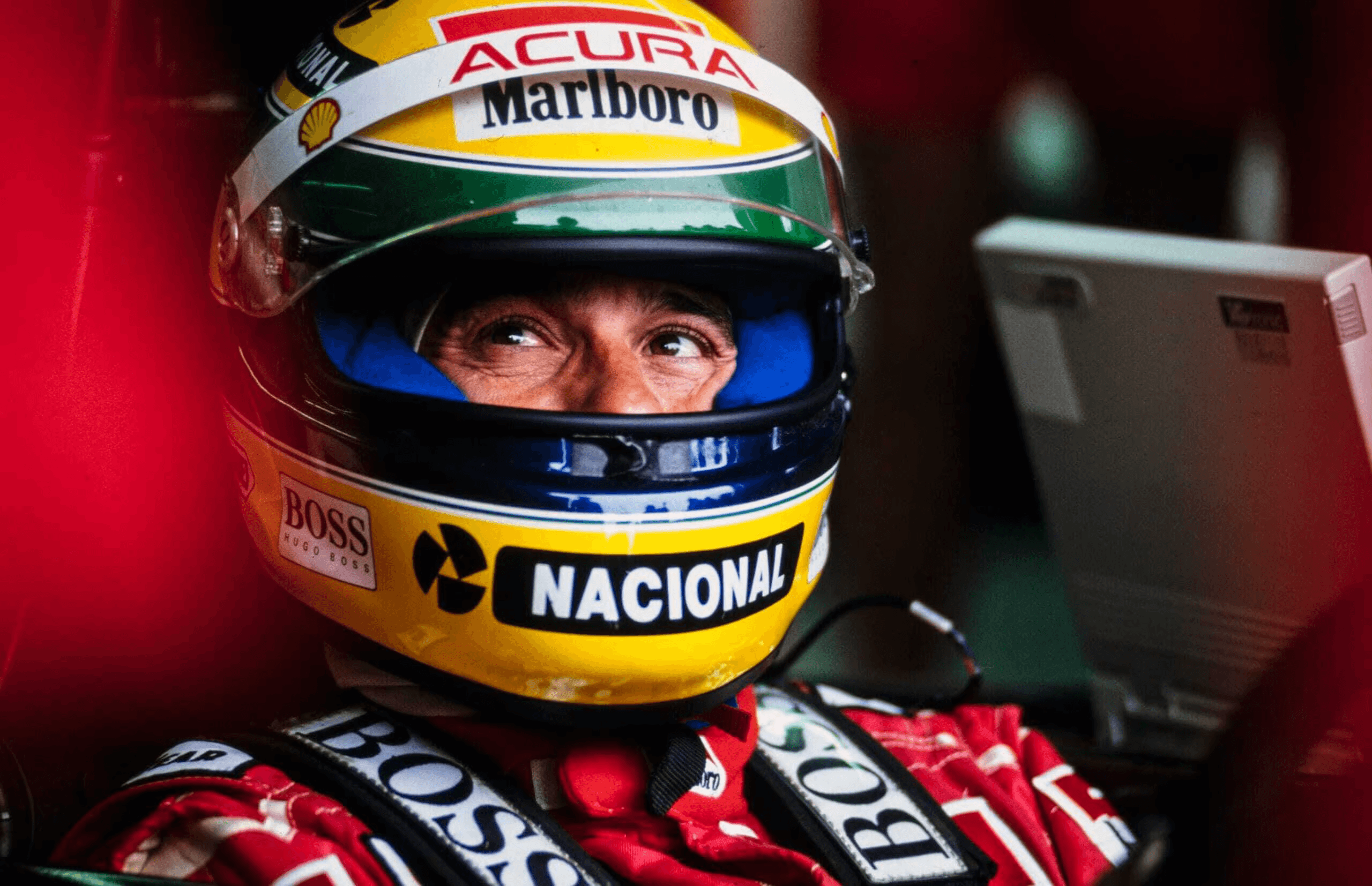

5 November – 31 December 2025
Ayrton Senna: Forever
Setting a new benchmark at 453.91 km/h. A triumph of passion, precision, and performance.
5 November – 31 December 2025
Ayrton Senna: Forever
Setting a new benchmark at 453.91 km/h. A triumph of passion, precision, and performance.
5 November – 31 December 2025
Ayrton Senna: Forever
Setting a new benchmark at 453.91 km/h. A triumph of passion, precision, and performance.


Exclusivity now has a new yardstick and bears the name of the Solitarie Programme, the new “tailor-made” program by Bugatti, which goes far beyond the classic concept of customization, focusing on the creation of one-offs, for the most exclusive customers.
The first work of the Programme Solitarie is the Brouillard, made to pay homage to what was the most beloved horse of Ettore Bugatti, from whom the car takes its name. The Brouillard also represents the swan song for the four-turbo W16 engine (here in the 1,600 hp variant), before giving way to the V16 of the Tourbillon.But it is the style of the new French hypercar that leaves you breathless: the bodywork is taut, stretched to the limit of the mechanics it hides, moving in soft and dynamic shapes that partly refer to the equestrian world, with very tapered sides and an elongated front.The great performance potential of the Brouillard is then expressed in the presence of large air intakes at the front, while at the rear stands out the large fixed wing, which works in conjunction with an equally large extractor in the lower part, from which it is possible to glimpse the huge rear wheels. There is also a reference to the Veyron, the model that brought the W16 engine to its debut, which is found in the two air intakes positioned on the sides of the engine and which develop above the roof.
Exclusivity now has a new yardstick and bears the name of the Solitarie Programme, the new “tailor-made” program by Bugatti, which goes far beyond the classic concept of customization, focusing on the creation of one-offs, for the most exclusive customers.
The first work of the Programme Solitarie is the Brouillard, made to pay homage to what was the most beloved horse of Ettore Bugatti, from whom the car takes its name. The Brouillard also represents the swan song for the four-turbo W16 engine (here in the 1,600 hp variant), before giving way to the V16 of the Tourbillon.But it is the style of the new French hypercar that leaves you breathless: the bodywork is taut, stretched to the limit of the mechanics it hides, moving in soft and dynamic shapes that partly refer to the equestrian world, with very tapered sides and an elongated front.The great performance potential of the Brouillard is then expressed in the presence of large air intakes at the front, while at the rear stands out the large fixed wing, which works in conjunction with an equally large extractor in the lower part, from which it is possible to glimpse the huge rear wheels. There is also a reference to the Veyron, the model that brought the W16 engine to its debut, which is found in the two air intakes positioned on the sides of the engine and which develop above the roof.
Exclusivity now has a new yardstick and bears the name of the Solitarie Programme, the new “tailor-made” program by Bugatti, which goes far beyond the classic concept of customization, focusing on the creation of one-offs, for the most exclusive customers.
The first work of the Programme Solitarie is the Brouillard, made to pay homage to what was the most beloved horse of Ettore Bugatti, from whom the car takes its name. The Brouillard also represents the swan song for the four-turbo W16 engine (here in the 1,600 hp variant), before giving way to the V16 of the Tourbillon.But it is the style of the new French hypercar that leaves you breathless: the bodywork is taut, stretched to the limit of the mechanics it hides, moving in soft and dynamic shapes that partly refer to the equestrian world, with very tapered sides and an elongated front.The great performance potential of the Brouillard is then expressed in the presence of large air intakes at the front, while at the rear stands out the large fixed wing, which works in conjunction with an equally large extractor in the lower part, from which it is possible to glimpse the huge rear wheels. There is also a reference to the Veyron, the model that brought the W16 engine to its debut, which is found in the two air intakes positioned on the sides of the engine and which develop above the roof.
The Quote
I have never seen a pilot so crazy and smart in my life
– Niki Lauda
The Quote
I have never seen a pilot so crazy and smart in my life
– Niki Lauda
The Quote
I have never seen a pilot so crazy and smart in my life
– Niki Lauda
16
Cars exhibited
1.200m²
Exhibition space
2
Immersive rooms
4
Formula 1 simulators
16
Cars exhibited
1.200m²
Exhibition space
2
Immersive rooms
4
Formula 1 simulators
16
Cars exhibited
1.200m²
Exhibition space
2
Immersive rooms
4
Formula 1 simulators
In partnership with:
In partnership with:
In partnership with:



1960–1972
Early Life
Ayrton Senna da Silva (Brazilian Portuguese: [aˈiʁtõ ˈsẽnɐ dɐ ˈsiwvɐ] ⓘ; 21 March 1960 – 1 May 1994) was a Brazilian racing driver who competed in Formula One from 1984 to 1994. Senna won three Formula One World Drivers' Championship titles with McLaren, and—at the time of his death—held the record for most pole positions (65), among others; he won 41 Grands Prix across 11 seasons.

1960–1972
Early Life
Ayrton Senna da Silva (Brazilian Portuguese: [aˈiʁtõ ˈsẽnɐ dɐ ˈsiwvɐ] ⓘ; 21 March 1960 – 1 May 1994) was a Brazilian racing driver who competed in Formula One from 1984 to 1994. Senna won three Formula One World Drivers' Championship titles with McLaren, and—at the time of his death—held the record for most pole positions (65), among others; he won 41 Grands Prix across 11 seasons.
1960–1972
Early Life
Ayrton Senna da Silva (Brazilian Portuguese: [aˈiʁtõ ˈsẽnɐ dɐ ˈsiwvɐ] ⓘ; 21 March 1960 – 1 May 1994) was a Brazilian racing driver who competed in Formula One from 1984 to 1994. Senna won three Formula One World Drivers' Championship titles with McLaren, and—at the time of his death—held the record for most pole positions (65), among others; he won 41 Grands Prix across 11 seasons.

1973–1980
Karting
Senna's first go-kart was built by his father, who operated an automotive factory, using a small 1 hp lawnmower engine.[14][15] Senna started racing at Interlagos and entered his first kart racing competition at the age of 13.[16][timestamp needed] He started his debut race on pole position, against drivers who were several years older than him; he managed to lead most of the race before retiring after colliding with an opponent. His father supported him throughout his karting career, with Lucio Pascal Gascon becoming his manager.
1973–1980
Karting
Senna's first go-kart was built by his father, who operated an automotive factory, using a small 1 hp lawnmower engine.[14][15] Senna started racing at Interlagos and entered his first kart racing competition at the age of 13.[16][timestamp needed] He started his debut race on pole position, against drivers who were several years older than him; he managed to lead most of the race before retiring after colliding with an opponent. His father supported him throughout his karting career, with Lucio Pascal Gascon becoming his manager.
1973–1980
Karting
Senna's first go-kart was built by his father, who operated an automotive factory, using a small 1 hp lawnmower engine.[14][15] Senna started racing at Interlagos and entered his first kart racing competition at the age of 13.[16][timestamp needed] He started his debut race on pole position, against drivers who were several years older than him; he managed to lead most of the race before retiring after colliding with an opponent. His father supported him throughout his karting career, with Lucio Pascal Gascon becoming his manager.
1984–1993
Formula 1 Career
Ayrton Senna da Silva (Brazilian Portuguese: [aˈiʁtõ ˈsẽnɐ dɐ ˈsiwvɐ] ⓘ; 21 March 1960 – 1 May 1994) was a Brazilian racing driver who competed in Formula One from 1984 to 1994. Senna won three Formula One World Drivers' Championship titles with McLaren, and—at the time of his death—held the record for most pole positions (65), among others; he won 41 Grands Prix across 11 seasons.

1984–1993
Formula 1 Career
Ayrton Senna da Silva (Brazilian Portuguese: [aˈiʁtõ ˈsẽnɐ dɐ ˈsiwvɐ] ⓘ; 21 March 1960 – 1 May 1994) was a Brazilian racing driver who competed in Formula One from 1984 to 1994. Senna won three Formula One World Drivers' Championship titles with McLaren, and—at the time of his death—held the record for most pole positions (65), among others; he won 41 Grands Prix across 11 seasons.
1984–1993
Formula 1 Career
Ayrton Senna da Silva (Brazilian Portuguese: [aˈiʁtõ ˈsẽnɐ dɐ ˈsiwvɐ] ⓘ; 21 March 1960 – 1 May 1994) was a Brazilian racing driver who competed in Formula One from 1984 to 1994. Senna won three Formula One World Drivers' Championship titles with McLaren, and—at the time of his death—held the record for most pole positions (65), among others; he won 41 Grands Prix across 11 seasons.
Related Events
See the agenda
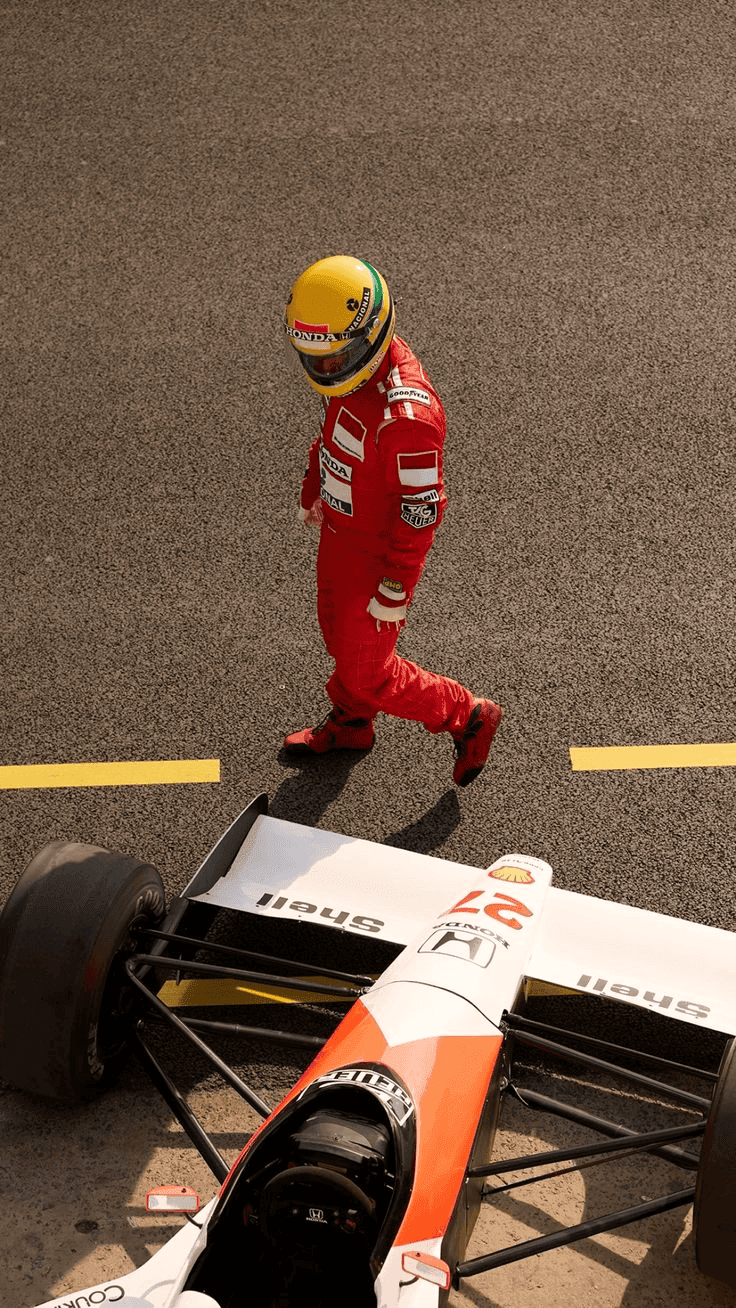
01 Sept. 2025
Sebastien Loeb is once again the ROC champion, France wins the Nations Cup

23 Oct. 2025
Luc Ackermann lands a spectacular backflip between 2 moving trucks
23 Oct. 2025
A New Lancia Delta Integrale Is Actually Happening
01 Sept. 2025
Sebastien Loeb is once again the ROC champion, France wins the Nations Cup
23 Oct. 2025
Luc Ackermann lands a spectacular backflip between 2 moving trucks
23 Oct. 2025
A New Lancia Delta Integrale Is Actually Happening
01 Sept. 2025
Sebastien Loeb is once again the ROC champion, France wins the Nations Cup
23 Oct. 2025
Luc Ackermann lands a spectacular backflip between 2 moving trucks
23 Oct. 2025
A New Lancia Delta Integrale Is Actually Happening
Next exhibition
History of mud and cars
For example, Andy Warhol (with the exhibited works from 1986) and his “dialogue partners” Sylvie Fleury, Tom Sachs, Ina Weber and Pietro Sanguineti ask how well-known brands or products influence our lives and consumer behaviour. The younger artists often refer to art history in their works, such as the famous “Brillo Boxes” by Andy Warhol. The young Stuttgart artist Kai Fischer, on the other hand, brings together consumer behaviour and the art history of the still life in his works reminiscent of “till receipts”.

Next exhibition
History of mud and cars
For example, Andy Warhol (with the exhibited works from 1986) and his “dialogue partners” Sylvie Fleury, Tom Sachs, Ina Weber and Pietro Sanguineti ask how well-known brands or products influence our lives and consumer behaviour. The younger artists often refer to art history in their works, such as the famous “Brillo Boxes” by Andy Warhol. The young Stuttgart artist Kai Fischer, on the other hand, brings together consumer behaviour and the art history of the still life in his works reminiscent of “till receipts”.
Next exhibition
History of mud and cars
For example, Andy Warhol (with the exhibited works from 1986) and his “dialogue partners” Sylvie Fleury, Tom Sachs, Ina Weber and Pietro Sanguineti ask how well-known brands or products influence our lives and consumer behaviour. The younger artists often refer to art history in their works, such as the famous “Brillo Boxes” by Andy Warhol. The young Stuttgart artist Kai Fischer, on the other hand, brings together consumer behaviour and the art history of the still life in his works reminiscent of “till receipts”.
Get there
We are open
Come and visit us at Wickrange
Get there
We are open
Come and visit us at Wickrange
Get there
We are open
Come and visit us at Wickrange
4-6 Rue de Trois Cantons
L-3980 Wickrange
Luxembourg
Get there
4-6 Rue de Trois Cantons
L-3980 Wickrange
Luxembourg
Get there
4-6 Rue de Trois Cantons
L-3980 Wickrange
Luxembourg
Get there